When Pope Paul VI issued Ministeria Quaedam in 1972, he stated:
“The functions heretofore assigned to the subdeacon are entrusted to the reader and the acolyte.”
At first glance, this appears to suggest a simple redistribution of duties. The functions of the subdeacon would now be carried out by the reader and the acolyte. However, the reality of the liturgy after Ministeria Quaedam tells a different story.
In practice, many of the subdeacon’s traditional responsibilities were not taken up by the lay ministries of Acolyte or Reader. Instead, they were taken over by the deacon. The chart below summarizes where each of the subdeacon’s duties actually ended up:
| Subdeacon Functions | Duties Assigned To |
| Reading the Epistle | Reader |
| Carrying Cross | Acolyte |
| Assist Priest with Incense | Deacon/ Acolyte* |
| Accompanying and assisting the deacon at the lectern for the Gospel. | Duties Abolished |
| Preparing the altar | Deacon/ Acolyte* |
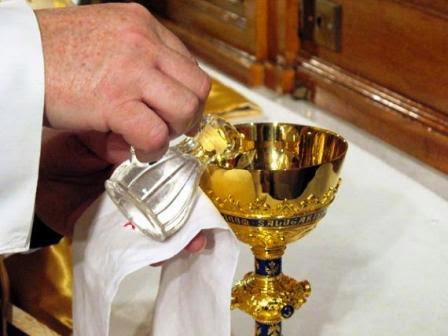
| Pouring water into the chalice at the offertory | Deacon |
| Assists the priest as he incenses the offerings and altar. | Deacon/ Acolyte* |
| Assisting the priest with the Missal during the eucharistic prayer | Deacon |
| Assisting the deacon in purifying the vessels | Duly Instituted Acolyte Only |
(* = Duties are performed by the Acolyte ONLY WHEN no Deacon is present)
Despite what the document suggests, this redistribution shows a clear trend: roles tied closely to the altar went to the deacon, not to the newly created lay ministries. One function was even eliminated entirely.
While the advantage of suppressing such an ancient order can be debated, what cannot be debated, is that most of his functional duties were reassigned upwards.
Leave a Reply